


What Is ROSC? A Guide to Return of Spontaneous Circulation
.png)
You’re at the bedside during a code. Compressions are strong, the airway is managed, meds are given on time, and the room has that tight, focused rhythm every resuscitation team knows. Then the next pulse check changes everything. You feel a carotid pulse.
That moment matters. It’s why the team is there. But if you’re asking what is ROSC, the most important thing to understand is that a returning pulse is not the end of the event. It’s the handoff into a new phase of care that is just as time-sensitive.
For residents, nurses, paramedics, and anyone renewing ACLS or PALS, ROSC is one of those concepts that sounds simple until you’re the person who has to recognize it, confirm it, and act on it fast. That’s where people often get stuck. They know ROSC stands for return of spontaneous circulation, but they’re less certain about what counts as true ROSC, what can fool you, and what to do next.
Your Patient's Heart Is Beating Again Now What
The first minutes after a pulse returns can feel oddly deceptive. The room gets quieter. CPR stops. People breathe again. But the patient is often at their most unstable right then.
ROSC means you’ve restored circulation. It does not mean the patient is stable, neurologically intact, or out of danger. The cause of the arrest may still be present, the myocardium may be stunned, perfusion may still be poor, and rearrest is a real concern.
That’s why experienced code leaders don’t treat ROSC like a finish line. They treat it like a transition point. The question shifts from “How do we get the heart started?” to “How do we keep the patient alive long enough to recover?”
In practice, that means your role changes quickly:
- Airway and breathing matter differently now. You’re no longer ventilating a pulseless patient. You’re supporting oxygen delivery while avoiding secondary injury.
- Blood pressure becomes urgent. A pulse without adequate perfusion still leaves the brain, kidneys, and heart at risk.
- The underlying cause has to be found. If you don’t fix what caused the arrest, the patient may arrest again.
- The brain becomes a major focus. A patient can achieve ROSC and still have severe post-arrest injury.
A useful way to think about it is this. During the code, you’re trying to restart circulation. After ROSC, you’re trying to preserve organs.
Clinical mindset: A successful code buys time. Your post-ROSC care determines what that time is worth.
The care environment affects how often teams get to this point. In a large U.S. registry study, overall ROSC rates for in-hospital cardiac arrest were around 72%, while one out-of-hospital study reported ROSC in 26.1% of cases, highlighting how strongly rapid response and available resources shape outcomes.
That difference is worth pausing on. In the hospital, you have staff, monitors, oxygen, defibrillation, and medications nearby. Outside the hospital, delays are common. That’s one reason your ability to move smoothly from resuscitation into post-arrest care is such a core professional skill.
What Is ROSC and How Do You Know You Have It
You pause compressions for a rhythm check. The monitor shows an organized pattern. Someone says, “I think we’ve got it.” That moment tests clinical judgment. A better-looking screen is not enough. You need evidence that blood is moving.
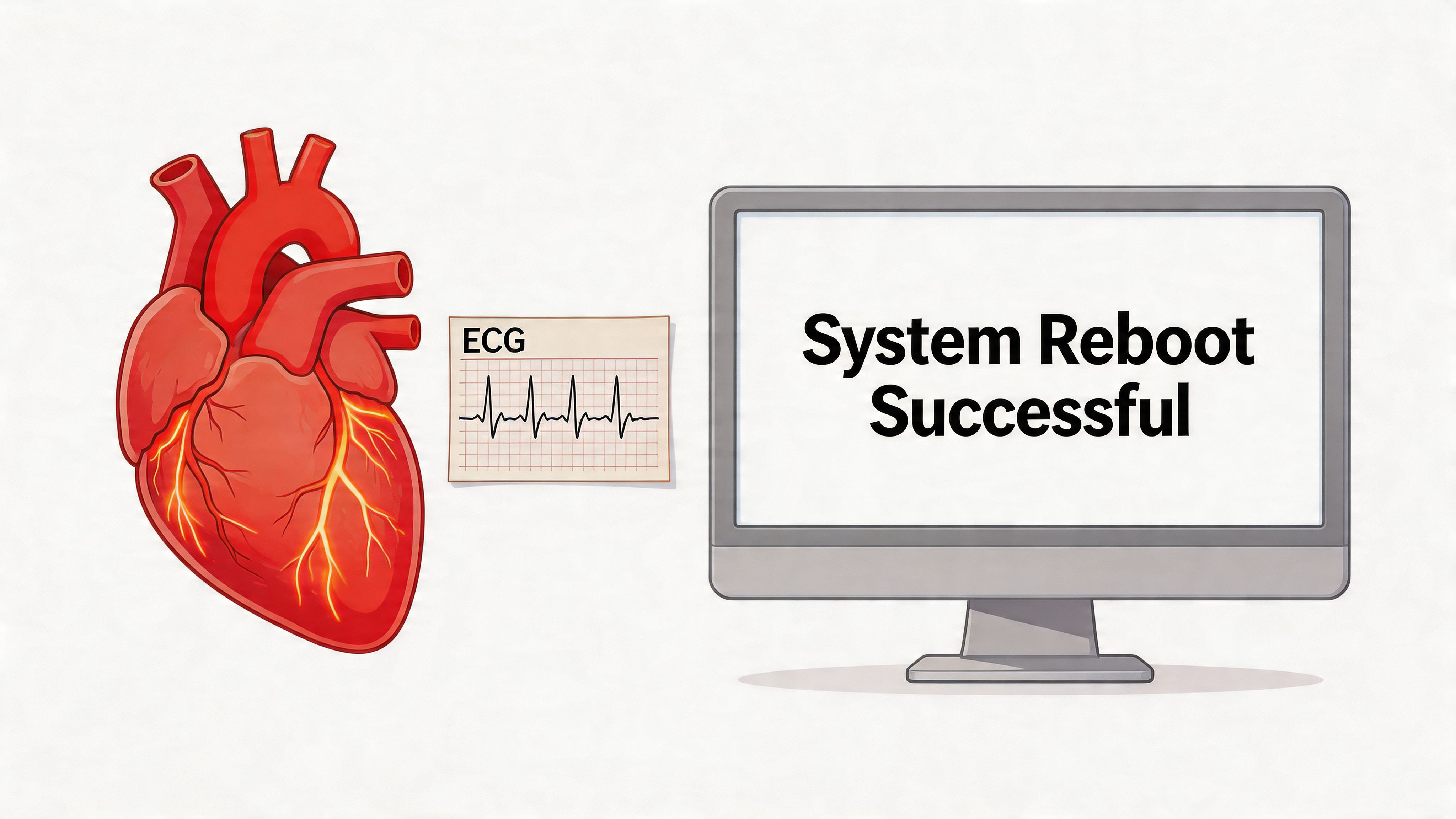
ROSC means Return of Spontaneous Circulation. In plain terms, the heart has started generating circulation again after cardiac arrest.
It works like restarting a pump after it has stopped. The motor may turn on, but your real question is whether fluid is moving through the system and reaching the organs that need it.
The definition that matters at the bedside
At the bedside, ROSC means more than electrical activity. It means the patient has a sustained rhythm that produces perfusion.
That distinction matters because organized electrical activity can fool you. A monitor may show a rhythm while the patient still has no effective circulation. New clinicians often get tripped up because they look up at the screen before they look at the patient.
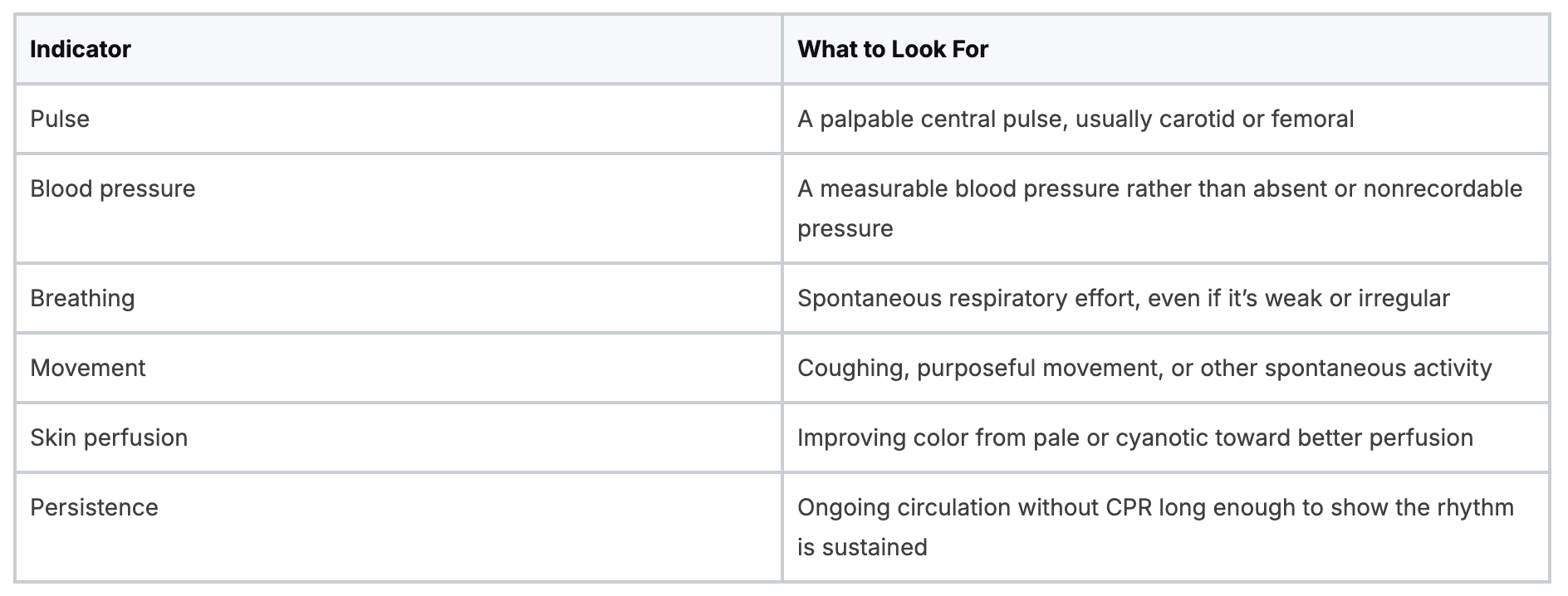
So how do you confirm ROSC? You confirm it the old-fashioned clinical way. Check for a palpable central pulse. Look for a measurable blood pressure. Notice whether the patient begins to breathe, cough, or move. Watch for improving skin color and other signs that perfusion is returning.
If you teach ACLS often, this is one of the most useful habits to reinforce: rhythm recognition starts the assessment, but perfusion confirms it.
Clinical Signs of Confirmed ROSC
What counts and what does not
A few bedside distinctions make this easier to sort out under pressure.
- Organized ECG alone does not confirm ROSC. Electrical activity without a pulse still means the patient is not perfusing.
- A weak pulse can still represent ROSC. The circulation may be poor, but if the heart is generating spontaneous output, that changes your next steps.
- Irregular breathing can confuse the team. Pair any respiratory effort with pulse and blood pressure assessment so you do not mistake gasping or isolated effort for recovery.
- Brief pulse return may not last. Keep reassessing, because early ROSC can disappear fast.
The monitor supports your decision. The patient confirms it.
This is also why resuscitation training has to go beyond passing a megacode. Strong ACLS and PALS preparation teaches you to recognize ROSC, verify perfusion, and then act on what comes next. If you want a quick refresher on the reversible causes you should already be considering during this phase, review the Hs and Ts made simple.
Why recognition is only the start
The pulse return is fragile.
For patient care, that changes your mindset immediately. ROSC is not the finish line. It is the handoff point between successful resuscitation and post-arrest management. Your job shifts from trying to restart circulation to proving that circulation is stable enough to protect the brain, heart, and other organs.
That is the “now what?” behind ROSC. Recognize it quickly. Confirm it carefully. Then be ready to support a patient who may look better for a moment but still sits at high risk for deterioration.
Understanding the Causes of Cardiac Arrest
A patient can get ROSC and still be one missed diagnosis away from another arrest. That’s why the cause matters so much.
The classic ACLS framework is the Hs and Ts. It gives you a practical differential for reversible causes of cardiac arrest. Used well, it’s not just a memorization list. It’s a way to think under pressure.
.png)
A simple analogy helps. Getting ROSC without fixing the cause is like restarting a pump while the line is still blocked, leaking, or under pressure from the outside. It may work briefly. It won’t stay that way.
The Hs
These causes often involve oxygen delivery, circulation, or metabolic failure.
- Hypovolemia
The heart can’t pump what it doesn’t have. Severe blood or fluid loss reduces preload and can leave the ventricle too empty to generate effective output. - Hypoxia
The myocardium and brain need oxygen continuously. When oxygenation fails, cells can’t maintain function, rhythms deteriorate, and arrest follows. - Hydrogen ion excess or acidosis
Significant acidosis interferes with cellular function and makes the heart less responsive to resuscitative efforts. It usually reflects a deeper problem such as prolonged downtime or poor ventilation. - Hypo or hyperkalemia
Potassium disturbances can destabilize cardiac conduction. The heart may become irritable, slow, or electrically chaotic depending on the imbalance. - Hypothermia
A very cold patient may have depressed cardiac activity and altered metabolism. Resuscitation decisions and rhythm interpretation can look different in this setting.
The Ts
These causes often involve obstruction, poison, or an acute vascular event.
- Tension pneumothorax
Pressure in the chest compresses the lung and can also impair venous return to the heart. The heart may be electrically active but mechanically compromised. - Cardiac tamponade
Fluid around the heart restricts filling. The ventricle can’t expand well enough to maintain output. - Toxins
Overdose, medication effects, and poisonous exposures can suppress respiration, injure conduction, or produce circulatory collapse. - Pulmonary thrombosis
A large pulmonary embolus can suddenly block blood flow through the lungs, sharply reducing oxygenation and forward flow. - Coronary thrombosis
An acute coronary occlusion can trigger malignant arrhythmias or profound pump failure.
If you want a quick refresher on this framework, ProMed’s guide on the Hs and Ts made simple is a practical review.
How to use the mnemonic like a clinician
The list works best when you pair it with what you’re seeing:
- Flat neck veins with blood loss history may push hypovolemia higher.
- Unequal breath sounds and high airway pressure raise concern for tension pneumothorax.
- Dialysis history or ECG changes should make you think about potassium.
- Sudden collapse with chest pain may point toward coronary thrombosis.
- Known overdose or suspicious medication access makes toxins more likely.
Later in the event, a short visual review can help lock in the pattern recognition:
The strongest resuscitation teams don’t just run the algorithm. They keep asking why the patient arrested in the first place.
The First Hour After ROSC A Critical Action Plan
The room changes the moment a pulse returns.
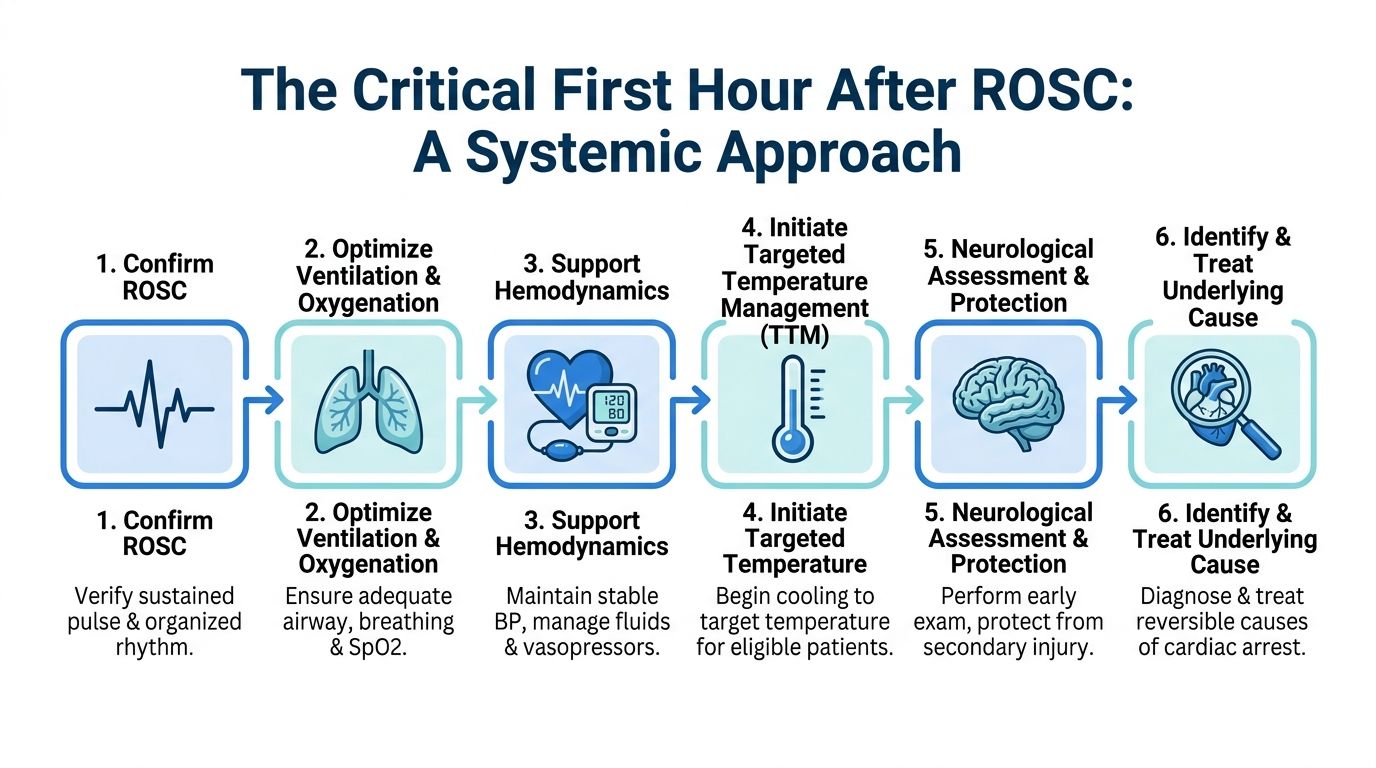
A few seconds ago, the team was trying to restart circulation. Now the job is to protect a brain, support a stunned heart, and prevent the patient from slipping back into arrest. That shift catches newer clinicians off guard. ROSC is not the finish line. It is the handoff into post-arrest care, and the first hour often sets the direction for everything that follows.
Step one confirms that ROSC is holding
Start with the question that matters most at the bedside. Does the patient have sustained perfusion, or was that only a brief return?
Check and document:
- Central pulse
- Blood pressure
- Cardiac rhythm
- Airway status
- Level of consciousness
Do not rely on the monitor alone. An organized rhythm without a meaningful blood pressure can still leave the brain and kidneys underperfused. Assign roles early so the team does not drift. One clinician manages the airway, one tracks hemodynamics, and one documents while preparing the next orders.
Step two supports oxygenation and ventilation with control
After cardiac arrest, oxygen helps. Too much can hurt. Too little can hurt faster.
The practical goal is to oxygenate and ventilate with intention. Secure the airway if the patient cannot protect it. Confirm ventilation with exam findings and monitoring, including waveform capnography when available. Titrate oxygen instead of leaving the patient on maximum support without reassessment.
Residents and nurses often remember the code steps well but feel less certain here. That is why post-arrest training matters. A clear ACLS post-cardiac arrest care algorithm helps turn a chaotic transition into a repeatable sequence.
Step three restores pressure that can actually perfuse organs
A pulse is only part of the story. The organs need flow, and flow depends on pressure, volume status, vascular tone, and cardiac function.
Start asking bedside questions right away. Is the pressure low because the ventricle is weak? Because the patient is vasodilated? Because there is ongoing bleeding, sepsis, or obstructive shock? Fluids may help one patient and worsen pulmonary edema in another. Vasoactive support, arterial line placement, and frequent reassessment are often part of early management.
At this juncture, clinical judgment starts to separate a stable ROSC from a fragile one.
Step four looks for the problem that caused the arrest
Post-arrest care always circles back to etiology. If the trigger is still present, the patient remains in danger even with a pulse.
Get a 12-lead ECG early, especially if a coronary event is possible. A patient with ROSC and an untreated coronary occlusion may need urgent cath lab activation. Other clues may point in different directions, such as severe electrolyte disturbance, massive pulmonary embolism, sepsis, hemorrhage, or overdose. The code may be over, but the diagnostic workup is accelerating.
Step five treats the brain as a priority organ
The brain has just gone through a global ischemic insult followed by reperfusion. That injury can keep evolving after circulation returns.
If the patient remains comatose, temperature management and structured neurologic monitoring become part of care. Serial exams matter. So do glucose control, seizure recognition, imaging when indicated, and close attention to sedation because oversedation can blur the exam. The bedside mindset should shift from “we got a pulse” to “how do we preserve neurologic recovery?”
Step six builds a team plan for the next several hours
The first hour is also about trajectory. Where is this patient going next? ICU, cath lab, CT scanner, or transfer? What monitoring is needed? What complications are most likely in the next 30 minutes?
Strong teams verbalize that plan out loud. That habit reduces missed tasks and helps newer clinicians understand why each intervention matters. It also reflects the full skill set taught in modern ACLS and PALS education. Good online certification is not just memorizing arrest algorithms. It prepares you for the continuum from collapse, to ROSC, to the demanding post-arrest phase where careful management protects the gains made during the code.
Predicting Outcomes After Achieving ROSC
A pulse is back. The room gets quieter for a moment, but the hard questions are just starting. Will this patient wake up? Will the brain recover? Which early clues do help, and which ones can mislead you?
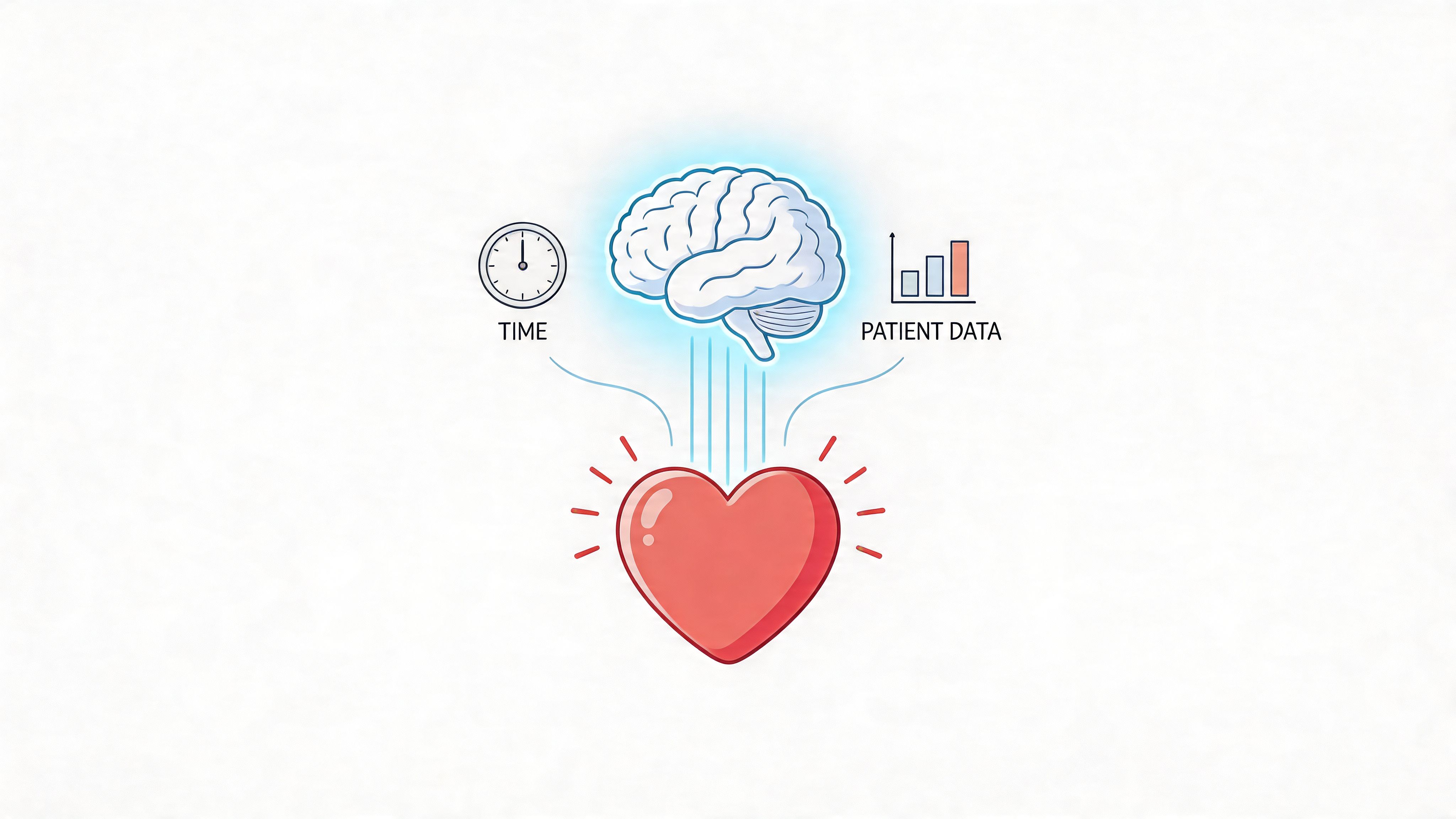
Outcome prediction after ROSC works less like reading a single monitor value and more like building a clinical picture from several pieces. Initial rhythm matters. Whether the arrest was witnessed matters. How quickly CPR started matters. What the patient does in the next few hours matters just as much, because post-arrest care can protect recovery or allow secondary injury to grow.
Early clues that carry real weight
Some patients begin with advantages. A witnessed collapse, early bystander CPR, and a shockable rhythm usually point to a shorter interval without effective circulation. That often means less global ischemic injury before the team can intervene.
A non-shockable rhythm can signal a different problem. It may reflect prolonged downtime, severe hypoxia, metabolic derangement, sepsis, hemorrhage, or another systemic cause that was already pushing the patient toward collapse. For bedside clinicians, that difference is practical. It shapes how guarded you should be, how broad your differential stays, and how urgently you search for reversible injury that is still unfolding.
Context matters more than any single sign
Two patients can both achieve ROSC and still have very different trajectories.
One had a witnessed collapse in a monitored setting, with compressions started almost immediately. Another was found down with an unknown downtime and arrived after a prolonged resuscitation. Both now have pulses, but they are not starting the post-arrest phase from the same place. The first patient may have a more recoverable brain and myocardium. The second may carry a much higher burden of reperfusion injury, acidosis, and multi-organ dysfunction.
That is why responsible prognostication stays cautious early on. A single exam finding, one lactate value, or one blood pressure reading cannot tell the whole story.
Prognosis changes with the care that follows
This is the part clinicians sometimes underestimate early in training. Outcome prediction is not only about what happened during the arrest. It is also about what the team does after ROSC.
Good oxygenation without hyperoxia, stable perfusion, temperature control when indicated, seizure recognition, glucose management, and timely treatment of the arrest cause all shape the path ahead. Prognosis is partly a starting point and partly a response to care. That perspective matters at the bedside because it keeps teams from becoming passive. You are not just observing outcome. You are still influencing it.
For a practical review of that recovery phase, see this guide to care after cardiac arrest.
ROSC ends one emergency and begins another. The next phase determines how much of that initial success the patient keeps.
For residents and nurses, this is a professional turning point. Strong resuscitation skills include recognizing that the return of circulation is not the finish line. It is the handoff into a new, high-stakes phase where careful thinking, repeated reassessment, and disciplined post-arrest care give the patient the best chance at meaningful recovery.
Connecting ROSC to Your ACLS and PALS Certification
ROSC sits right at the center of advanced resuscitation training. If you understand only the algorithm that leads to pulse return, you’re missing half the job. ACLS and PALS are also about what happens once the pulse is back.
That’s the part many learners appreciate more after they’ve been in a real code. The code itself is intense, but the post-ROSC phase demands a different kind of discipline. You need rhythm recognition, teamwork, hemodynamic thinking, airway judgment, and a working differential for the arrest cause.
This is also where training format matters less than training quality. The old idea that only in-person courses from AHA or the American Red Cross are valid is outdated. Healthcare employers increasingly accept accredited online education, especially when the content is guideline-based, clinically current, and designed for professionals who need flexibility without sacrificing rigor.
That shift makes sense. Online learning lets clinicians pause, repeat complex sections, review algorithms before a shift, and study at a pace that fits real work schedules. For CE and recertification, that format often matches how adults learn best.
A modern course should prepare you for the whole continuum:
- Recognition skills so you know when ROSC is present
- Decision-making skills so you can move into post-arrest care fast
- Retention support so algorithms stay usable under stress
- Scenario-based review so you can connect the protocol to bedside action
One option in that space is ProMed Certifications, which offers online certification courses aligned with current AHA-based standards and includes post-cardiac arrest learning tools relevant to ACLS and PALS practice. The larger point is broader than any one provider. High-quality online certification is a valid path for busy healthcare professionals, and many institutions now treat it that way.
From Knowledge to Action Mastering Resuscitation
When someone asks what is ROSC, the short answer is easy. It’s the return of spontaneous circulation after cardiac arrest.
The useful answer is deeper. ROSC is the moment a code changes direction. It’s where chest compressions give way to stabilization, cause-finding, neuroprotection, and prevention of rearrest. Clinicians who understand that transition tend to work more calmly and more effectively when the pressure is highest.
That’s why this topic matters for practice, not just for exams. You’re not memorizing a definition. You’re learning to recognize a fragile turning point and respond in a way that gives the patient the best chance at recovery.
If you’re building or refreshing that skill set, keep your study anchored to real clinical decisions. Ask yourself what you would check first, what could still go wrong, and what the patient needs in the next five minutes, not just the next algorithm box.
If you’re ready to strengthen your resuscitation skills, ProMed Certifications offers online ACLS, PALS, BLS, CE, and CME options built for working clinicians who need flexibility without giving up quality. It’s a practical way to study the full continuum of care, from arrest recognition to post-ROSC management, on your own schedule.
.avif)
Stay compliant with ProMed+
Certifications included: ACLS, BLS, PALS, CPR & Neonatal Resuscitation
Unlimited continuing education: over 200 hours of accredited CME
All-inclusive: One price. No surprises.
Get certified today

The Advanced Cardiac Life Support (ACLS) is an accredited online medical certification course that teaches medical professionals to respond to nearly all cardiopulmonary emergencies.

The Pediatric Advanced Life Support (PALS) Recertification instructs medical professionals on performing pediatric cardiopulmonary resuscitation in emergencies.

The Basic Life Support (BLS) Recertification is intended to teach healthcare professionals the basic steps of CPR and rescue breathing for adults, children, and infants.

Our online medical certification course for CPR, Automated External Defibrillator (AED), and First Aid is designed to teach adult, child, and infant CPR and AED use.

The Neonatal Resuscitation Certification trains medical professionals in performing resuscitation procedures and life-saving techniques for newborns at the time of delivery.

.png)
.png)
.png)