

What to Wear to a Nursing Interview
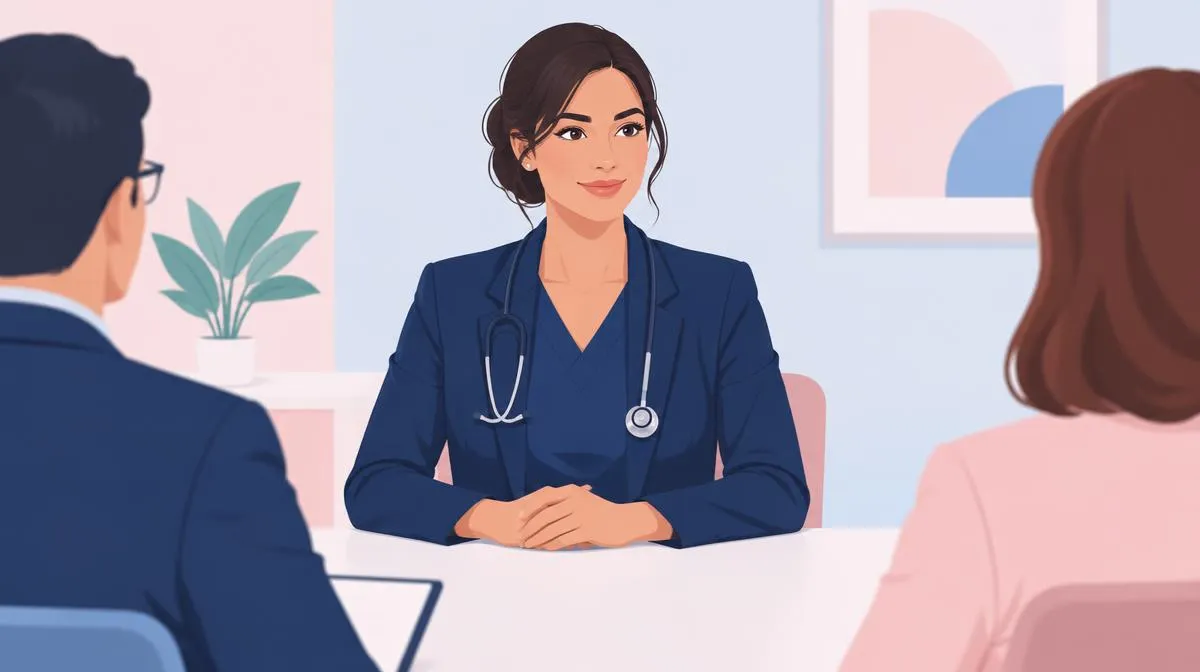
You have spent years learning to care for patients. Now a hiring manager has about thirty minutes to decide whether you are the right fit for their unit. Your skills and answers matter most, but your appearance is the first thing they notice, and it quietly tells them how seriously you take the opportunity.
The good news: dressing for a nursing interview is not complicated. The goal is to look polished, clean and comfortable, so the conversation stays on you and not on your outfit.
Should you wear scrubs?
In most cases, no. Even though scrubs are what you will wear on the job, an interview calls for business or business-casual clothing. It shows you understand the difference between a working shift and a professional meeting.
There are exceptions. If you are interviewing on the unit between shifts, attending an open hiring event that asks candidates to come ready for a skills check, or the recruiter tells you scrubs are fine, follow their lead. When in doubt, ask the recruiter. It is a normal question.
Safe outfit choices
- A suit or blazer. A simple blazer with matching or neutral trousers or a knee-length skirt is never wrong.
- Dress pants and a collared shirt or blouse. A clean, fitted button-down or a plain blouse works well for business-casual settings such as clinics and outpatient centers.
- A simple dress. Choose a modest length and sleeve style, and add a cardigan or blazer if the room might be cool.
- Neutral colors. Navy, gray, black, white and soft blues read as calm and professional. A single accent color is fine.
Shoes
Wear clean, closed-toe shoes you can walk in comfortably. Many nursing interviews include a tour of the unit, so you may be on your feet longer than you expect. Low heels, loafers, flats or polished dress shoes are all good choices. Skip sneakers unless you have been told the setting is casual.
Grooming and details
Hiring managers in healthcare pay attention to the same things infection-control policies do. Small details show you already think like a member of the team.
- Nails: short and clean. Many hospitals do not allow artificial nails for clinical staff, so natural nails send the right signal.
- Hair: neat and off your face. If your hair is long, a simple ponytail or bun looks tidy.
- Fragrance: skip it or keep it very light. Patients and staff can be sensitive to strong scents.
- Jewelry: keep it minimal, such as small earrings, a watch and a ring.
- Makeup: natural and understated, if you wear it.
What to avoid
- Wrinkled, stained or ill-fitting clothes
- Very casual items such as jeans, leggings, hoodies or graphic tees
- Revealing necklines or very short hemlines
- Loud patterns or anything that distracts from the conversation
- Brand-new shoes you have never walked in
Video interviews
For a video interview, dress fully, not just from the waist up. You may need to stand, and dressing the part helps you feel the part. Solid colors look better on camera than busy patterns. Sit facing a window or a lamp so your face is evenly lit, and check your background before you join the call.
What to bring
- Several printed copies of your resume
- A copy of your nursing license and current certifications, such as BLS, ACLS or PALS
- A list of references
- A pen, a small notebook and a few questions to ask the interviewer
Showing up with active certifications is one of the easiest ways to stand out. If yours expire soon, renew them before your interview so there is nothing for the hiring manager to question.
The bottom line
Dress one step more formal than the everyday dress code of the unit, keep grooming clean and simple, and choose clothes you feel comfortable in. When you are not worrying about your outfit, you can focus on what really wins the job: showing why you will be a great nurse on their team.
Keep your credentials current
Not sure which certification your next job needs? Try our course finder, or keep your license up to date with ProMed+ Nursing CE.